


Think You Can Beat the Clock? The door closes. The timer starts. Suddenly, 60 minutes…
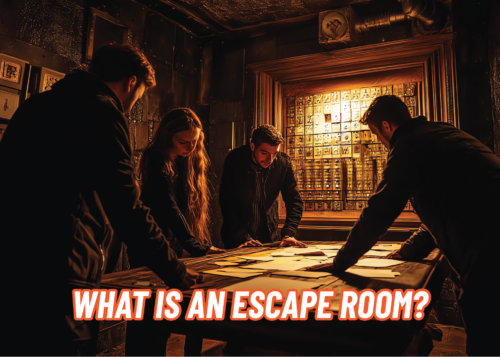
What Is an Escape Room? Everything You Need to Know
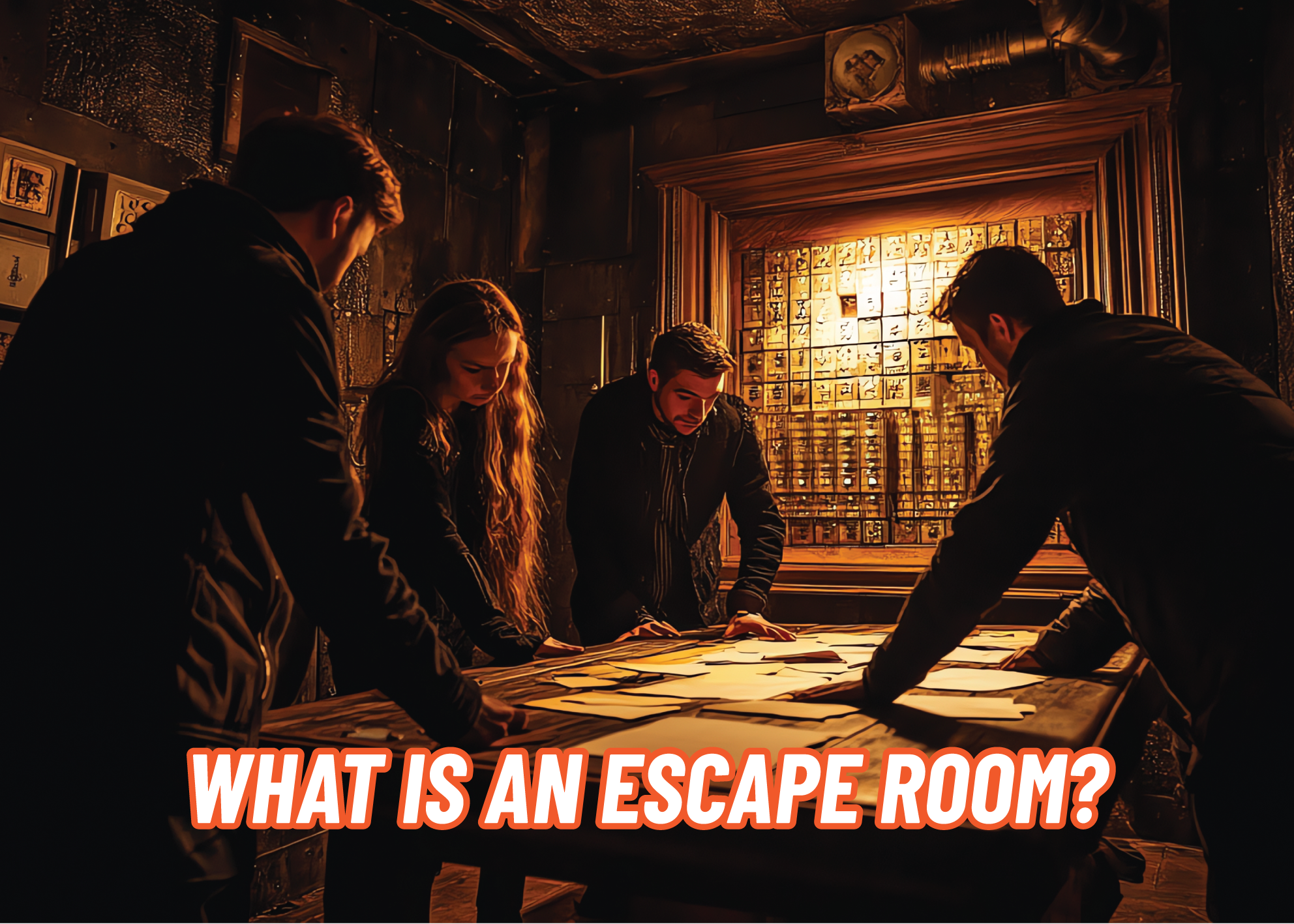
Escape rooms have become one of the world’s most popular group activities. However, many people still ask the same question: what is an escape room?
Simply put, an escape room is a real-life adventure game where players work together to solve puzzles, uncover clues, and complete a mission within a set time limit. Most games last between 60 and 90 minutes. During that time, teams must think critically, communicate effectively, and work under pressure to succeed.
Originally inspired by video games and mystery stories, escape rooms are now a global entertainment industry enjoyed by families, friends, tourists, students, and corporate teams.
In this guide, we explain exactly how escape rooms work, what to expect, and why they continue to grow in popularity.
What Happens in an Escape Room?
When you enter an escape room, you step into a themed environment. Depending on the game, you might become detectives solving a murder, prisoners planning a breakout, treasure hunters searching for lost gold, or secret agents trying to stop a disaster.
The experience begins with a briefing. After that, the countdown starts.
Players search the room for hidden clues, solve puzzles, unlock locks, and piece together information. Every solved challenge moves the team closer to completing the mission.
Contrary to the name, not every escape room involves physically escaping a room. Many modern games focus on completing objectives, solving mysteries, or finishing story-driven missions before time runs out.
How Do Escape Room Puzzles Work?
Escape room puzzles are designed to test observation, logic, teamwork, and problem-solving skills.
Common puzzle types include:
- Hidden objects and secret compartments
- Pattern recognition challenges
- Code breaking and ciphers
- Physical mechanisms and locks
- Riddles and word puzzles
- Audio and visual clues
- Team-based coordination tasks
Importantly, escape room puzzles are not based on specialist knowledge. You do not need to be good at maths, history, or trivia to enjoy them. Instead, success usually comes from communication and paying attention to details.
The best escape rooms balance challenge with fun. Therefore, players stay engaged without feeling frustrated.
Are Escape Rooms Scary?
This is one of the most common questions people ask before booking.
The answer depends on the game theme. Some escape rooms are suspenseful or horror-themed. Others are light-hearted adventures suitable for families and younger players.
Most escape room venues clearly label the difficulty and intensity of each experience. As a result, players can choose games that match their comfort level.
For first-time players, adventure or mystery-themed rooms are often the best starting point.
 Who Are Escape Rooms For?
Escape rooms are designed for a wide range of people and occasions.
Popular groups include:
- Friends looking for something different to do
- Families wanting interactive entertainment
- Tourists exploring a city
- Birthday groups
- School groups and students
- Corporate teams and work functions
- Couples seeking unique date ideas
Because escape rooms encourage communication and collaboration, they are especially popular for team-building activities.
Unlike passive entertainment, escape rooms require everyone to participate. Consequently, they create memorable shared experiences that people continue talking about long after the game ends.
Why Are Escape Rooms So Popular?
The escape experience combines entertainment, storytelling, and problem-solving in a way few other activities can.
Several factors explain their popularity:
Immersive Experiences
Players become part of the story rather than simply watching it unfold. This level of immersion creates excitement and emotional engagement.
Real Teamwork
Escape rooms reward communication and collaboration. In many cases, different players notice different clues. Therefore, teamwork becomes essential.
Screen-Free Entertainment
Many people want activities that do not involve phones or computers. Escape rooms provide a hands-on experience that feels refreshing and interactive.
Adrenaline and Achievement
The countdown timer adds pressure and excitement. Solving the final puzzle with seconds remaining creates a strong sense of achievement.
Suitable for Many Skill Levels
Escape rooms are designed so beginners can enjoy them while experienced players still feel challenged.
What Makes a Great Escape Room?
Not all escape rooms are created equal.
High-quality escape experience focuses on far more than locks and puzzles. The best experiences combine storytelling, set design, technology, sound, lighting, and game flow to create fully immersive adventures.
A great room/game should include:
- A strong and believable theme
- Logical puzzle progression
- Immersive environments
- Engaging storytelling
- Helpful but unobtrusive game masters
- Balanced difficulty
- Reliable technology and mechanisms
Additionally, the best escape game companies continuously update and improve their games in response to player feedback and industry innovations.
Are Escape Rooms Good for Team Building?
Yes. In fact, an escape experience is widely recognised as one of the most effective team-building activities available.
During a game, teams must:
- Communicate clearly
- Share information quickly
- Delegate tasks
- Solve problems under pressure
- Work toward a common goal
These are the same skills used in effective workplaces.
Unlike traditional team-building exercises, escape rooms feel natural and enjoyable rather than forced or awkward. As a result, they are popular with businesses, schools, and organisations worldwide.
Tips for First-Time Escape Room Players
If you are trying an escape room for the first time, these tips will help:
Communicate Everything
Even small discoveries may matter later. Therefore, tell your team what you find.
Search Thoroughly
Many clues are hidden in plain sight. Pay attention to details.
Stay Organised
Keep solved items separate from unsolved clues whenever possible.
Work as a Team
Games or rooms are rarely solved by one person alone. Collaboration is the key to success.
Don’t Overthink
Sometimes the simplest answer is correct. Avoid making puzzles more complicated than they need to be.
The Future of Escape Rooms
The escape room industry continues to evolve rapidly.
Modern escape games now include advanced technology, cinematic storytelling, automation, interactive characters, and large-scale immersive environments. Some experiences combine live actors, digital effects, and branching storylines that change based on player decisions.
As artificial intelligence, immersive design, and interactive entertainment continue to develop, rooms are becoming even more sophisticated and engaging.
However, the core appeal remains the same: people love solving problems together.
Final Thoughts
So, what is an escape room?
It is part puzzle game, part immersive adventure, and part social experience. More importantly, it is an activity that brings people together through teamwork, excitement, and shared achievement.
Whether you are solving a mystery, escaping prison, uncovering hidden treasure, or stopping a fictional disaster, escape games offer a unique form of entertainment that challenges the mind while creating unforgettable memories.
For first-time players and experienced enthusiasts alike, escape games continue to be one of the most engaging interactive experiences available today.
Related Posts


[…] how these experiences work can make your first adventure even more enjoyable. Our guide on what to expect in an escape room explains the basics, including how puzzles, themes, and teamwork come together to create the […]