
Think You Can Beat the Clock? The door closes. The timer starts. Suddenly, 60 minutes…

The Evolution of Escape Rooms from the 2000s to Today
The Evolution of Escape Rooms from the 2000s to Today. Picture this: you are locked inside a themed room filled with hidden clues, complex puzzles, and immersive challenges. The clock is ticking, and your only goal is to solve everything before time runs out. This is the world of escape rooms.
Escape rooms have become one of the fastest-growing forms of interactive entertainment worldwide. Combining adventure, teamwork, and problem-solving, they have evolved from simple digital puzzle games into fully immersive real-life experiences.
But where did escape rooms begin, and how did they become a global phenomenon? To understand the rise of escape rooms, we need to go back to the early 2000s, when the concept first started to take shape.
The Origins of Escape Rooms: From Digital Games to Real-Life Experiences
Before physical escape rooms existed, virtual escape games were already popular online. In the early 2000s, point-and-click “escape the room” games attracted millions of players worldwide. These games challenged users to explore environments, find hidden clues, and solve puzzles to progress and “escape” the digital space.
However, as these games grew in popularity, players began wanting something more immersive. They wanted to physically step inside the puzzle, not just click through it on a screen. This demand laid the foundation for the first real-life escape rooms.
2007: The First Real Escape Room by SCRAP in Japan
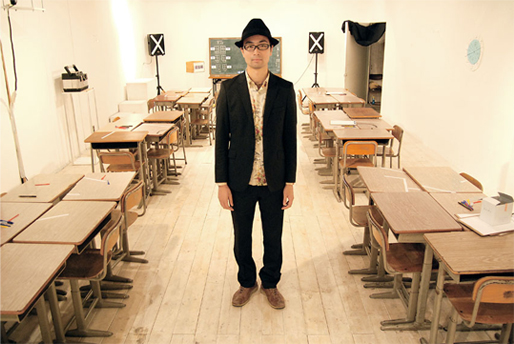
In 2007, Japanese company SCRAP, founded by Takao Kato, introduced the first real-world escape game in Kyoto, Japan. Known as the Real Escape Game, this experience transformed puzzle-solving into a live, interactive event.
Players were placed in a themed room and had to work together to find clues, solve puzzles, and complete objectives before time ran out. Unlike earlier digital versions, this experience required teamwork, communication, and physical interaction with the environment.
Starting in a small venue above a bar, the concept quickly gained popularity and proved that immersive, real-life puzzle games had huge global potential.
The Global Expansion of Escape Rooms
By the early 2010s, escape rooms began spreading internationally. Each region adapted the concept, adding its own storytelling style, technology, and design approach.
2012: Escape Rooms Arrive in the United States
SCRAP introduced large-scale Real Escape Game events in the United States, including cities like San Francisco. These events attracted hundreds of participants at a time and helped spark the escape room boom in North America.
As a result, escape rooms quickly shifted from niche entertainment to mainstream interactive experiences.
2012: Escape Rooms Expand Across Europe
In the same year, escape rooms reached Europe through pioneers such as HintHunt and Budapest-based Claustrophilia. Hungary, in particular, became a global hub for early escape room development.
These European escape rooms focused heavily on storytelling, atmosphere, and immersive set design, helping shape the narrative-driven style many modern escape rooms still use today.
2013: Asia Innovates with High-Tech Escape Rooms
In Asia, countries like Singapore began developing highly detailed escape rooms featuring advanced puzzle design and technology integration.
Escape room creators started experimenting with augmented reality, projection effects, and interactive environments. This helped push escape rooms beyond traditional locks and keys into more dynamic, technology-driven experiences.
2013: Live Actor Escape Rooms in the United States
A major innovation in escape room history came with the introduction of live actor experiences such as Room Escape Adventures in the USA.
These games added real-time characters, including zombie-themed scenarios, increasing tension and immersion. This marked a major shift toward cinematic, story-driven gameplay.
2014: Escape Rooms Expand into Canada and the UK
By 2014, escape rooms had reached Canada and the United Kingdom.
Cities like Toronto and London became key early markets, with companies creating highly themed, cinematic escape room experiences. These rooms combined mystery, storytelling, and teamwork, helping establish escape rooms as a mainstream entertainment activity.
2014: Escape Rooms Expand into NEW ZEALAND
By 2014, escape rooms had reached New Zealand.
Starting in Auckland launching the country’s very first live escape games. The trend quickly expanded across the country, with operators in Wellington and Christchurch opening their doors in 2015. with companies creating highly themed, cinematic escape room experiences. These rooms combined mystery, storytelling, and teamwork, helping establish escape rooms as a mainstream entertainment activity.
2015: The Global Escape Room Boom
By 2015, escape rooms had exploded worldwide. Thousands of new venues opened across North America, Europe, and Asia.
Each region developed its own identity:
- North America focused on cinematic, high-production experiences
- Europe leaned into narrative-driven puzzle design
- Asia continued to innovate with advanced technology and immersive environments
Escape rooms were no longer a trend. They had become a global entertainment industry.
Escape Rooms Today
Today, escape rooms are one of the most popular interactive experiences in the world. They are used for entertainment, corporate team building, education, and even training environments.
Modern escape rooms combine storytelling, technology, and immersive set design to create experiences that feel like stepping inside a movie or video game.
From the original Real Escape Game in Japan to today’s cinematic escape experiences worldwide, the evolution of escape rooms continues to push creative boundaries.
The industry shows no signs of slowing down, with new innovations in virtual reality, augmented reality, and interactive storytelling shaping the future.
So next time you enter an escape room, remember you are part of a global story that started with a simple idea: bringing puzzles to life.
So, next time you find yourself holding a key or solving a riddle, remember the journey that brought you here. The world of escape rooms is built on decades of innovation, creativity, and teamwork — and now it’s your turn to be part of it. Ready to put your skills to the test and make your escape? Book your escape room adventure today
Related Posts


Comments (0)