
Think You Can Beat the Clock? The door closes. The timer starts. Suddenly, 60 minutes…
The Secret to Escape Room Locks: How to Master Keys, Codes and Clues
Why Escape Room Locks Are More Than Just Locks
You find a locked box. A key. A combination padlock. A strange-looking device.
Your first thought might be:
“How do we open this?”
However, in an escape room, the lock is rarely the real challenge. The real challenge is discovering the clue that unlocks it.
At Xscape Space, our escape rooms are designed around problem-solving, teamwork, and storytelling. Locks are not there just to stop you from moving forward. They are part of the adventure.
Every lock is part of the puzzle.
Behind each key is a clue waiting to be discovered.
The right combination reveals the next step in your adventure.
Why Do Escape Rooms Use So Many Locks?
Locks are one of the most recognisable parts of an escape room experience.
They create that exciting moment when your team finds something and thinks:
“We must be close.”
A lock creates a clear goal. It gives players something to work towards while encouraging investigation and teamwork.
In a well-designed escape room, the answer is never simply guessing the code.
You need to earn it.
The clues around you provide the information needed to solve the puzzle.
The Different Types of Locks You Might Find in an Escape Room
Escape rooms use many different types of locks, each designed to challenge players in different ways.
Combination Locks
Combination locks are some of the most common locks found in escape rooms.
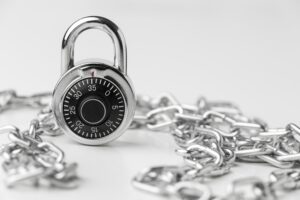
They usually require numbers, letters, symbols, or patterns.
The trick is not trying every possible combination.
Instead, look for clues that suggest:
- Dates
- Numbers
- Sequences
- Patterns
- Hidden messages
The correct code is usually connected to something else in the room.
Key Locks
Finding a key can feel like a major breakthrough.
However, finding the key is only half the challenge.
Teams often need to work out which lock it belongs to. Some keys are obvious, while others require careful observation.
A good escape room will make you question:
“Where does this key actually belong?”
Word and Letter Locks
Some locks require words rather than numbers.

These puzzles often involve:
- Riddles
- Story clues
- Hidden messages
- Themed information
The answer is usually connected to the room’s story.
For example, if you are solving a mystery, the answer may be related to a character, location, or important event.
Directional and Special Locks
Modern escape rooms often include more unique mechanisms.
These can involve:
- Moving objects in the correct order
- Following directional clues
- Matching symbols
- Completing a sequence
These puzzles are designed to make players think differently.
Don’t Force the Lock
One of the biggest mistakes new players make is trying to force something open.
Escape rooms are built around logic.
If something does not open easily, stop and look for the missing piece.
A stuck lock usually means one of three things:
- You do not have all the information yet
- You are using the wrong object
- The puzzle has another step first
At Xscape Space, our rooms are designed so that clever thinking beats strength every time.
Search Smart, Not Randomly
When players enter an escape room, the excitement can take over.
Suddenly everyone is searching everything at once.
While searching is important, a smarter approach works better.
Look for:
- Items that stand out
- Objects connected to the theme
- Clues that seem intentionally placed
- Anything with numbers, symbols, or writing
Remember, escape rooms are designed experiences.
Important clues are usually there for a reason.
Keep Track of Keys and Clues
Organisation is one of the biggest differences between teams that escape and teams that struggle.
As you find items, keep track of:
- Which keys have been used
- Which locks have been opened
- Which clues are solved
- Which items still need attention
A simple pile of “used” and “unused” items can save your team valuable time.
It also prevents the classic escape room moment:
“Wait, didn’t we already try that?”
Communication Is the Real Unlock
The best escape room teams are not necessarily the fastest thinkers.
They are the best communicators.
If one player finds a key, everyone should know.
If someone discovers a code, share it.
A clue that makes no sense to one person might immediately make sense to another.
At Xscape Space, we see it every day. Teams succeed when everyone works together.
The Biggest Lock Mistakes Players Make
Even experienced escape room players can make simple mistakes.
Common problems include:
Trying Random Codes
Guessing rarely works.
The solution is usually hidden in the clues.
Using a Key Too Soon
Sometimes players find a key and immediately try every lock.
Take a moment to think.
The right answer is often connected to the story.
Ignoring the Room Theme
The theme is not just decoration.
It often contains important information that helps solve puzzles.
Overcomplicating Simple Answers
Escape rooms can make players overthink.
Sometimes the answer is exactly what the clue suggests.
The Real Secret Behind Escape Room Locks
Escape room locks are not designed to keep you trapped.
They are designed to create moments of discovery.
That feeling when the lock clicks open is what makes escape rooms so rewarding.
It is not just about opening a box.
It is about the teamwork, the investigation, and the moment everything finally makes sense.
Ready to Test Your Lock-Solving Skills?
Think you can find the clues, crack the codes, and unlock the secrets?
At Xscape Space, every room is filled with puzzles, challenges, and hidden surprises waiting to be discovered.
Gather your team, step into the story, and see if you can unlock your way to victory before time runs out.
CHECK OUT OUR ESCAPE ROOMS HERE CAN YOU FIGURE THE CLUE TO THE LOCK?
Related Posts

Comments (0)